
Key Takeaways
IPTV is a delivery method, not a guarantee that every service using it is lawful. You can usually judge a provider by its licensing information, business transparency, pricing, payment process, and support. These checks matter whether you want live sports, local channels, movies, or international programming.
- IPTV technology is generally legal when content is distributed with permission.
- A legitimate service should explain who operates it and what your subscription includes.
- Suspiciously cheap access to premium channels is a warning sign.
- Streaming devices and apps are legal when used with authorized content.
- You should check Canadian rules and the provider’s terms before subscribing.
What IPTV is and how it works
Internet Protocol Television delivers television programming through an internet connection instead of a traditional broadcast, satellite, or cable signal. That simple change can give you more flexibility over where and how you watch. The phrase “iptv is legal” therefore needs a little context: the technology is neutral, while the rights behind the programming determine whether a particular service is lawful.
The meaning of internet protocol television
IPTV means television delivered over an IP network. Depending on the service, that may include live channels, video on demand, or catch-up programming. Your internet connection carries the stream to a compatible television, phone, tablet, computer, or streaming box, while an app or player provides the viewing interface.
For a straightforward overview of the technology and setup requirements, you can read this IPTV basics guide. The key point is that IPTV describes the route content takes to reach you, not where the content came from or whether the provider has permission to distribute it.
How IPTV differs from cable, satellite, and streaming platforms
Cable and satellite services use dedicated distribution networks, although many now include internet-connected features. IPTV relies on your broadband connection, which can make it easier to watch across several compatible devices. Some streaming platforms focus mainly on on-demand libraries, while IPTV services may concentrate on live television, scheduled programming, or a combination of both.
The practical difference is not automatically a legal one. A service delivered through the internet can be lawful or unlawful just as a service delivered through another network can be. Your household may also need to consider data use, simultaneous streams, and device limits; a useful IPTV data usage guide explains why picture quality and the number of viewers affect consumption.
Why the technology itself is generally legal
There is nothing inherently unlawful about sending a television stream through an internet protocol network. Broadcasters, telecom companies, and authorized subscription services use internet delivery every day. The legal question usually concerns whether the provider has obtained the necessary rights for the channels, films, sports, or series it makes available.
That distinction is also relevant to broader internet law. Copyright, privacy, and online rights apply to digital distribution in ways that vary by jurisdiction, as this internet law guide explains. You should assess the service and its programming rather than treating the word IPTV as a verdict by itself.
The difference between an IPTV app, device, and service
An app is the software you use to browse and play content. A device is the hardware, such as a Smart TV or streaming box, that runs the app. The service is the provider supplying the channels or on-demand catalog, usually through an account, playlist, or subscription.
Those three pieces can come from different sources. A legal media player does not make an unauthorized channel list legal, and a reputable device does not certify the subscription attached to it. Keeping the distinction clear makes it easier to investigate the provider rather than blaming the hardware.
When IPTV is legal
IPTV is legal when the provider has the right to distribute the content it offers in your market. That permission may come through direct agreements, broadcaster relationships, or other licensing arrangements. As a viewer, you do not need to inspect every contract, but you should expect the service to be open about its business and programming.

Services with proper content licenses
A licensed provider has permission to carry the channels and programs included in its plans. It may identify its company, explain its territory, publish subscription conditions, and provide a normal support channel. Clear information cannot prove every licensing detail on its own, but it is a much stronger starting point than an anonymous sales page.
For Canadian viewers, Best IPTV Canada describes a service offering live TV, sports, movies, and series through an internet connection. When you evaluate any provider, compare those stated offerings with the specific rights and terms it explains for your region.
Official broadcaster and telecom IPTV platforms
Broadcasters and telecommunications companies may offer internet-delivered television as part of a recognized package or standalone service. These providers generally present their corporate identity, billing process, customer support, and channel terms in a consistent way. Their apps may also be distributed through established device platforms.
That does not mean every large-looking website is automatically authorized. You should still check the provider’s terms and the channels included in your plan, especially when regional sports or local programming is a major reason for subscribing.
Free and paid IPTV services with authorized programming
Both free and paid IPTV services can be lawful. A free service may be supported by advertising, public broadcasting, or a limited catalog, while a paid service may charge monthly or annual subscription fees. Price alone is not proof of legality; the useful question is whether the provider has permission for the content it presents.
A service can also offer a broad selection without making every title available in every country. Regional restrictions, licensing windows, and different subscription tiers are normal. Be cautious of anyone promising every premium channel worldwide without explaining how access is authorized.
How licensing agreements support lawful streaming
Licensing agreements define what may be shown, where it may be shown, and for how long. They help determine whether a provider can carry a particular channel in Canada, stream a live event, or include a film in an on-demand library. Those agreements also give rights holders a way to address unauthorized copies and rebroadcasts.
When a provider communicates its territory and catalog honestly, that is consistent with how licensed distribution works. You can also compare plan terms, screen limits, and content descriptions before paying rather than relying on a dramatic promise in an advertisement.
When IPTV becomes illegal
IPTV becomes unlawful when a service distributes protected programming without the necessary permission, or when a user accesses that programming through an unauthorized arrangement. The delivery method remains the same; the rights situation changes. Because copyright rules differ between countries, you should avoid assuming that a service is lawful simply because it is easy to find online.
Unauthorized rebroadcasting of copyrighted channels
A provider may unlawfully capture, copy, or rebroadcast channels that it has no right to distribute. This can include premium television, live sports, films, and international programming. A polished app or working stream does not change the underlying issue if the provider cannot lawfully offer the content.
The difference between licensed and unauthorized platforms is explained in this IPTV legality overview. If a seller refuses to identify the business behind the service or cannot explain its rights, treat that silence as a serious concern.
Services offering premium content at suspiciously low prices
An unusually low price is not conclusive evidence of infringement, but it deserves scrutiny when it comes with a huge promise. Thousands of premium channels, pay-per-view events, new films, and international packages for a fraction of normal market prices may indicate that licensing costs have been ignored.
Ask what is included, where the service operates, and whether the price is promotional or ongoing. A legitimate discount can be explained through terms; an evasive seller often relies on urgency, private messages, or claims that sound too good to verify.
Why illegal access can involve more than the provider
The provider usually bears the clearest responsibility for unauthorized distribution, but users should not assume there is never any risk on the customer side. Depending on local law and the facts, knowingly accessing or sharing protected content without authorization may create civil, contractual, or other consequences.
You should never resell credentials, redistribute streams, or share a subscription beyond the provider’s stated terms. Even where enforcement focuses on operators, unauthorized services can still expose you to account loss, questionable payment requests, and privacy problems.
The role of copyright law in different countries
Copyright and broadcasting rules are not identical everywhere. A service that appears available across borders may not have the same rights in each country, and enforcement practices can change over time. Canadian viewers should read Canadian terms and seek qualified local advice if a situation is unclear.
A practical comparison is more useful than a universal slogan. This copyright and IPTV guide outlines why the legality of a service depends on authorization, while this IPTV piracy explainer discusses how unauthorized offerings can operate. Neither replaces local legal advice, but both reinforce the central distinction between technology and rights.
How to tell whether an IPTV service is legitimate
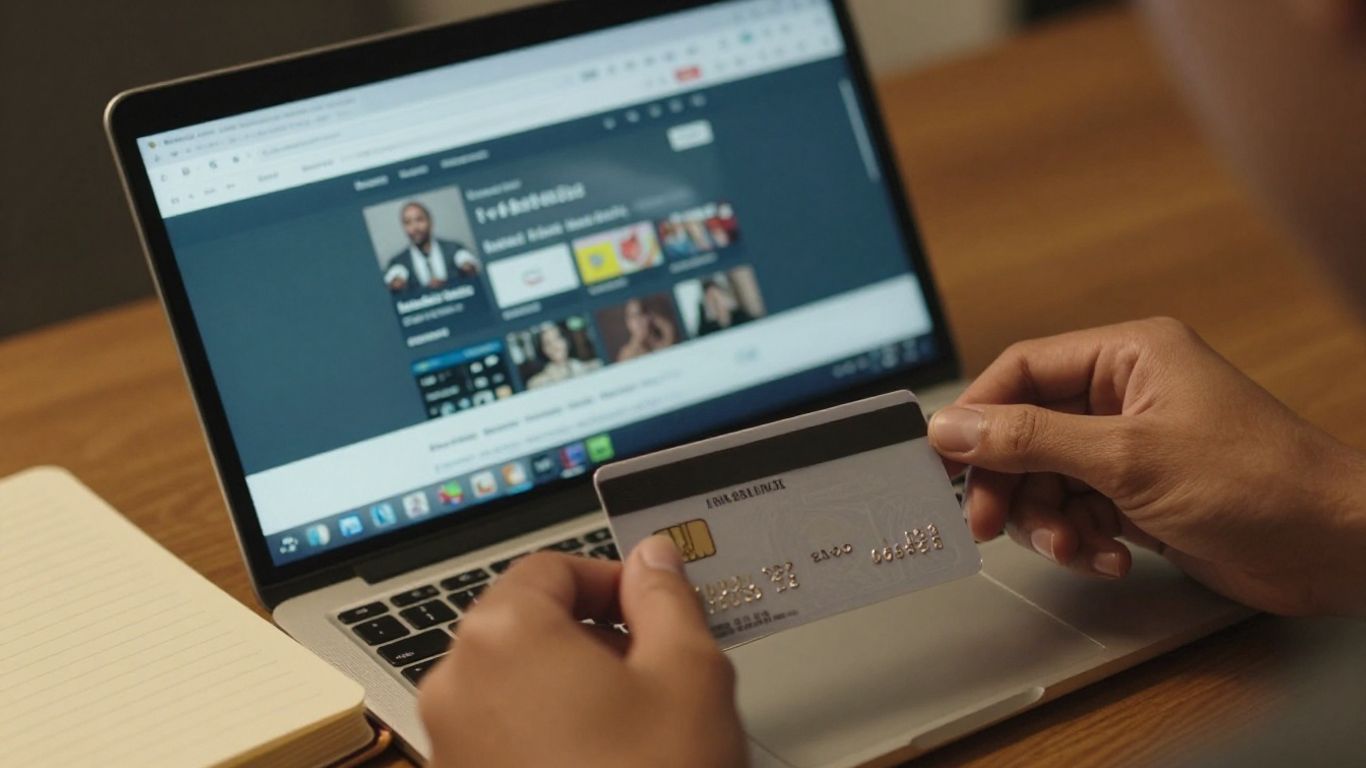
You can reduce uncertainty by treating the subscription like any other paid service. Check who sells it, what you receive, how you pay, and what happens if the service fails. A legitimate provider should not require you to guess at basic information before handing over money.
Checking the provider’s company and contact information
Look for a real business name, a usable contact method, and information about the service’s operating region. An email address or messaging account alone is not necessarily enough, particularly if the website provides no terms, privacy notice, or support details. Search for consistency across the site rather than trusting a single badge or testimonial.
You can also check whether the provider explains its approach to copyright complaints and personal information. For example, copyright policy information and privacy policy details are the kinds of documents a transparent service can make available for review.
Looking for transparent pricing and subscription terms
Before subscribing, confirm the billing currency, renewal conditions, screen limits, cancellation rules, refund window, and any restrictions on sharing. The price should be connected to a clear plan rather than a private offer that changes from one conversation to the next. Read the terms before you pay, not after a problem occurs.
These details help you compare services fairly:
| Check | What a clear provider explains | Why it matters |
|---|---|---|
| Price | Currency, duration, and renewal | Prevents unexpected charges |
| Content | Channels, regions, and restrictions | Sets realistic viewing expectations |
| Devices | Supported apps and screen limits | Avoids setup and access problems |
| Refunds | Eligibility, deadline, and process | Gives you a remedy if the plan fails |
A published refund policy or service terms page does not by itself establish content licensing, but it gives you concrete conditions to review. If essential details are missing, pause before purchasing.
Reviewing app store availability and platform support
A provider with a clear installation process should tell you which Smart TVs, phones, tablets, and streaming boxes are supported. App store availability can be a useful trust signal because established platforms apply their own distribution rules, although it is not a substitute for checking the service’s rights.
You should also distinguish between an official app and a generic player that accepts many sources. A service may explain setup through a device installation guide, but you still need to confirm which subscription or playlist you are adding to the player.
Recognizing red flags in advertising and payment requests
Be careful when a seller uses pressure, avoids written terms, or asks you to pay through an unusual channel. Red flags often appear together, so one small oddity may matter more when the whole offer is vague.
Before paying, watch for these warning signs:
- A promise of every premium channel for an implausibly low price.
- No identifiable company, address, terms, or privacy information.
- Instructions to use a private download or sideloaded app without explanation.
- Requests for cryptocurrency, gift cards, or personal banking details without a normal invoice.
A cautious pause is worthwhile. Legitimate providers can explain what you are buying, how support works, and what information they need from you.
Are IPTV devices and apps legal?
Streaming hardware and playback apps are generally lawful tools. They can be used for authorized subscriptions, free public programming, personal media, and many other legitimate purposes. The legal question usually arises from the content source and the way a subscription is supplied, not from the existence of a box or app.
Legal uses of streaming boxes and smart TV apps
You can use a Smart TV app, streaming box, phone, or tablet to access content from a provider that has the necessary rights. A device simply receives and displays data; it does not decide whether a provider is authorized. Following the manufacturer’s security updates and using official app stores where possible can also reduce avoidable risks.
If you need several screens, check whether the plan distinguishes registered devices from simultaneous streams. That distinction is explained in this guide to IPTV screen plans, and it can prevent you from paying for capacity your household does not use.
Why preloaded channel lists can create legal concerns
A device marketed with a preloaded list of premium channels deserves careful attention. The hardware may be perfectly legal, but the included playlist, account, or access arrangement may involve unauthorized rebroadcasting. Sellers sometimes blur those elements so that the box appears to be the product while the questionable service remains unexplained.
Ask who provides the content, what rights cover your country, and whether the subscription has separate terms. If the seller cannot answer plainly, do not assume the bundle is safe because the device itself is sold openly.
The difference between media players and unauthorized subscriptions
A media player can be an empty tool that plays content you are entitled to watch. An unauthorized subscription is different: it supplies access to channels or programs without the relevant permission. The same app may be used for either purpose, which is why app legality cannot certify every playlist or login.
This distinction also applies to installation instructions. A simple setup process may help you connect a device, but it does not establish that the source you enter into the app is licensed.
Safe practices when installing third-party applications
If you install software outside an official app store, consider the source and the permissions it requests before proceeding. Avoid disabling security settings just to make an unknown app run, and do not enter payment or identity information into an unverified interface. Keep your device updated and remove applications you no longer trust.
When a provider offers a normal support route and clear setup information, troubleshooting is easier. When it sends an anonymous file and tells you to ignore security warnings, the risk extends beyond copyright into malware and account theft.
Risks of using illegal IPTV services
Unauthorized IPTV can create more problems than a stream that stops during a game. The service may disappear without notice, expose your information, or leave you with no practical way to recover money. You also cannot rely on customer support from an operator that is hiding its identity.
Account suspension, fines, and potential legal consequences
A provider, platform, or payment processor may suspend an account connected to unauthorized activity. Depending on the conduct and local law, rights holders may also pursue enforcement against operators or other participants. The precise consequences vary, so broad online claims about guaranteed fines or guaranteed safety should be treated skeptically.
The sensible approach is to avoid knowingly using or sharing access that lacks authorization. If you receive a legal notice, consult a qualified lawyer in your jurisdiction rather than relying on a forum comment.
Malware, phishing, and payment fraud risks
Illegal services often operate outside normal app stores and consumer-protection processes. That can make them attractive vehicles for malicious downloads, fake login pages, aggressive pop-ups, or payment fraud. A stream that works for a week is not evidence that the associated app or website is trustworthy.
Use unique passwords, avoid opening unexpected attachments, and monitor payment accounts after dealing with an unfamiliar seller. Never provide more personal information than the service genuinely needs.
Privacy concerns involving unverified providers
An unverified provider may collect your name, email address, payment details, device information, or viewing activity without explaining how that data is handled. You may have little practical recourse if the company has no published privacy policy or operates behind changing contact details.
Read the privacy terms and consider whether the provider explains retention, sharing, access, and deletion. Privacy cannot make an unauthorized service lawful, but poor privacy practices add another reason to walk away.
Unreliable streams, sudden shutdowns, and poor support
Unauthorized services can be unstable because their streams are interrupted, moved, or taken offline. You may experience buffering, missing channels, repeated login failures, or sudden shutdowns after paying for a long plan. There may be no accountable support team to resolve the issue.
Reliability matters for more than convenience. A provider that explains its service limits, supported devices, and support process gives you a clearer basis for deciding whether the subscription is worth the risk.
How to choose and use IPTV safely
Choosing a service safely means checking legality and everyday usability together. You want authorized content, understandable terms, secure account handling, and support that you can actually reach. A polished interface is helpful, but it should come after those basic checks.
Verifying rights to the channels and content you want
Start with the channels and programs that matter most to your household. Ask whether the provider is authorized to offer them in Canada, whether regional restrictions apply, and whether live sports or premium events require a separate arrangement. Do not treat a long channel list as proof of licensing.
Best IPTV Canada describes access to live channels and on-demand content across common devices, while its stated offering should still be read alongside the applicable terms. In general, you should match the provider’s claims to its published policies instead of relying on screenshots or reseller promises.
Comparing provider policies, refunds, and customer support
Compare the subscription length, screen rules, cancellation process, refund conditions, and support hours before you pay. A provider that responds clearly to pre-sale questions is easier to evaluate than one that only sends a payment link. You should also check whether technical problems are handled differently from change-of-mind refunds.
For households comparing cable costs and internet expenses, this IPTV versus cable comparison can help frame the decision. The cheapest headline price is not necessarily the best value if it comes with unclear limits or no usable support.
Using secure payments and protecting account information
Use a payment method that gives you a transaction record and avoid sending card details through an informal chat. Create a unique password for the service, enable account protections where available, and do not share credentials beyond the plan’s stated rules. If a seller asks for unnecessary identity documents, ask why they are required.
Keep confirmation emails, invoices, and copies of the terms you accepted. Those records make it easier to challenge an incorrect charge or clarify what was promised.
Checking local laws before subscribing
Canadian rules apply to Canadian viewers, but the relevant details can depend on the type of content, the provider’s conduct, and your own actions. If you are uncertain about a particular service, check official government or legal sources and obtain professional advice for a serious concern.
The broader internet can contain useful explanations, but not every guide is current or authoritative. Even an article about professional lot clearing, a fireplace safety guide, or IPO basics demonstrates why you should read the actual subject-specific terms rather than infer legal advice from an unrelated page. Keep your IPTV decision grounded in licensing, privacy, consumer terms, and the law where you live.
Conclusion
IPTV is legal when a provider has permission to distribute the content it offers, and the device or app you use is usually only the delivery tool. Before subscribing, check the company, licensing explanations, pricing, terms, payment process, privacy information, and support. If the offer is vague, impossibly cheap, or dependent on unexplained sideloading, choosing a different service is the safer decision.
Frequently Asked Questions
Is IPTV legal in Canada?
The technology is generally legal, but a specific service must have the necessary rights to distribute its channels and programming in Canada. Unauthorized access or redistribution can create legal and practical risks.
Does using an IPTV app make a service legal?
No. An app is only a playback tool. The legality depends on the source of the content, the provider’s authorization, and how you use the subscription.
Is a streaming box with IPTV illegal?
A streaming box is normally a lawful device. Concerns arise when it is sold with an unauthorized channel list, account, or subscription that provides protected content without permission.
Does a low IPTV price prove that the service is illegal?
No, but an unusually low price combined with a huge premium catalog is a warning sign. Ask for clear terms, business information, and an explanation of the provider’s rights.
What should a legitimate IPTV provider disclose?
You should expect identifiable company information, pricing, subscription terms, supported devices, privacy information, customer support details, and a clear explanation of the content being offered.
Can I use IPTV on several devices?
That depends on the provider’s plan. Some services distinguish between registered devices and the number of streams you can watch simultaneously, so read the screen limits before subscribing.
What should I do if I am unsure about an IPTV service?
Pause before paying, review the provider’s terms and policies, verify the company and payment process, and check applicable Canadian rules. For a serious legal question, speak with a qualified lawyer.
Pingback: How to Use IPTV VLC for Live TV Streaming: Setup, Features, and Troubleshooting
Pingback: IPTV for free: How to find legal channels, apps, and reliable streams
Pingback: How to setup IPTV: A complete guide for TVs, streaming devices, and mobile apps
Pingback: IPTV in the UK: How it works, what it costs, and how to choose a legal service
Pingback: How to set up IPTV on Firestick: A safe, practical guide
Pingback: Why Is IPTV Not Working in Canada? 9 Checks for 2026